
This post has been read 590 times!
 January 1, 2026- by Steven Greer
About a year ago, I started to make social media posts about the need for a second declaration of independence. This time, it would be independence from the deep state military-spy complex that makes the tyranny from King George of the 1770’s seem mild. The big conservative names on Twitter were not explicitly calling for this. It was just a cacophony of complaints and hand-wringing.
Now, this idea for a Second American Revolution has materialized over the span of just a week. It started with the news that Somalians in Minnesota are scamming CMS for tens of billions of dollars, and other cities have worse examples yet to be uncovered. This led to Rep. Marjorie Taylor Greene and others calling for a national boycott against paying taxes.
The Somali issue was just the final straw that broke the camel’s back. The impetus has grown since September of 2025: When the economy turned south and MAGA realized that Trump was selling out the country worse than Biden did.
I believe we will see an attempt at a grassroots revolution this year. The communists that are in office now will fuel the rage. People are broke and desperate.
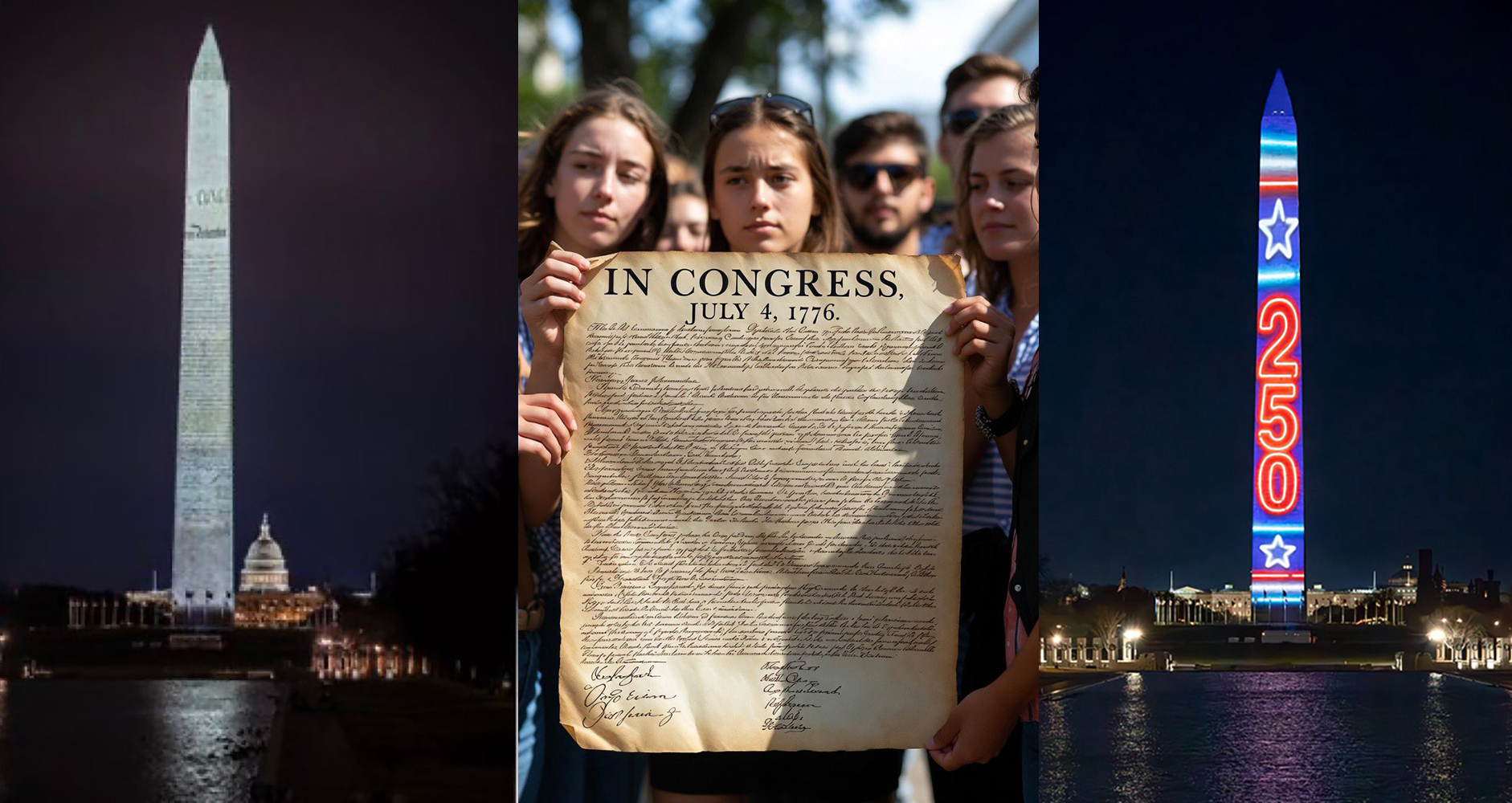
Of note, only after I wrote the above did I realize that 2026 is the 250th anniversary of the Declaration of Independence. Going into July 4th, we will likely see more organized efforts to boycott taxes like the Boston Tea Party.
_________________________
Grok
Key Earlier Acts of Resistance in chronological order:
- Sugar Act (1764): This revised duties on molasses and sugar, prompting widespread boycotts of British goods and smuggling to evade taxes. While mostly non-violent, it sparked organized economic resistance and petitions denying Parliament’s right to tax the colonies internally.
- Stamp Act (1765): This direct tax on printed materials provoked intense opposition, including riots and mob violence in multiple colonies. Protesters formed groups like the Sons of Liberty, hanged effigies of tax officials, ransacked homes of stamp distributors (e.g., in Boston, the house of Lieutenant Governor Thomas Hutchinson was destroyed), and used intimidation and tarring-and-feathering to force most stamp agents to resign before the act took effect. The Stamp Act Congress met to coordinate protests, marking early inter-colonial unity. These actions were seen by British authorities as rebellious and effectively nullified the tax, leading to its repeal in 1766.
- Townshend Acts (1767): These imposed duties on imported goods like tea, glass, and paper. Resistance included organized boycotts (non-importation agreements across colonies), protests, and some violence against customs officials. In Boston, tensions from enforcement led to ongoing street confrontations.
- Boston Massacre (March 5, 1770): A crowd of Bostonians harassed and threw objects at British soldiers guarding the customs house amid resentment over the Townshend duties and military presence. Soldiers fired into the crowd, killing five colonists (including Crispus Attucks). While not a planned insurrection, it stemmed from provocative resistance to British troops and was propagandized by Patriots as evidence of tyranny, fueling anti-British sentiment.
- Gaspee Affair (1772): Rhode Island colonists boarded and burned the British revenue schooner HMS Gaspee after it ran aground while enforcing trade laws. This was a direct armed attack on a British naval vessel, investigated as possible treason but with no prosecutions due to lack of cooperation.
These events represented a pattern of defiance against King George III’s government and Parliament, ranging from economic boycotts to violent destruction of property and clashes with authorities. The Boston Tea Party escalated this further by directly targeting British goods on a large scale, but it was far from the first such act.
_________________________
Updates
- Chamath: Fraud at this scale will end the American Empire if nothing is done “It is a crucible moment for American society.” “If nothing happens and we deem this kind of theft acceptable, it is the beginning of the end of the American Empire.”