
This post has been read 294 times!
 June 1, 2026- by Steven Greer
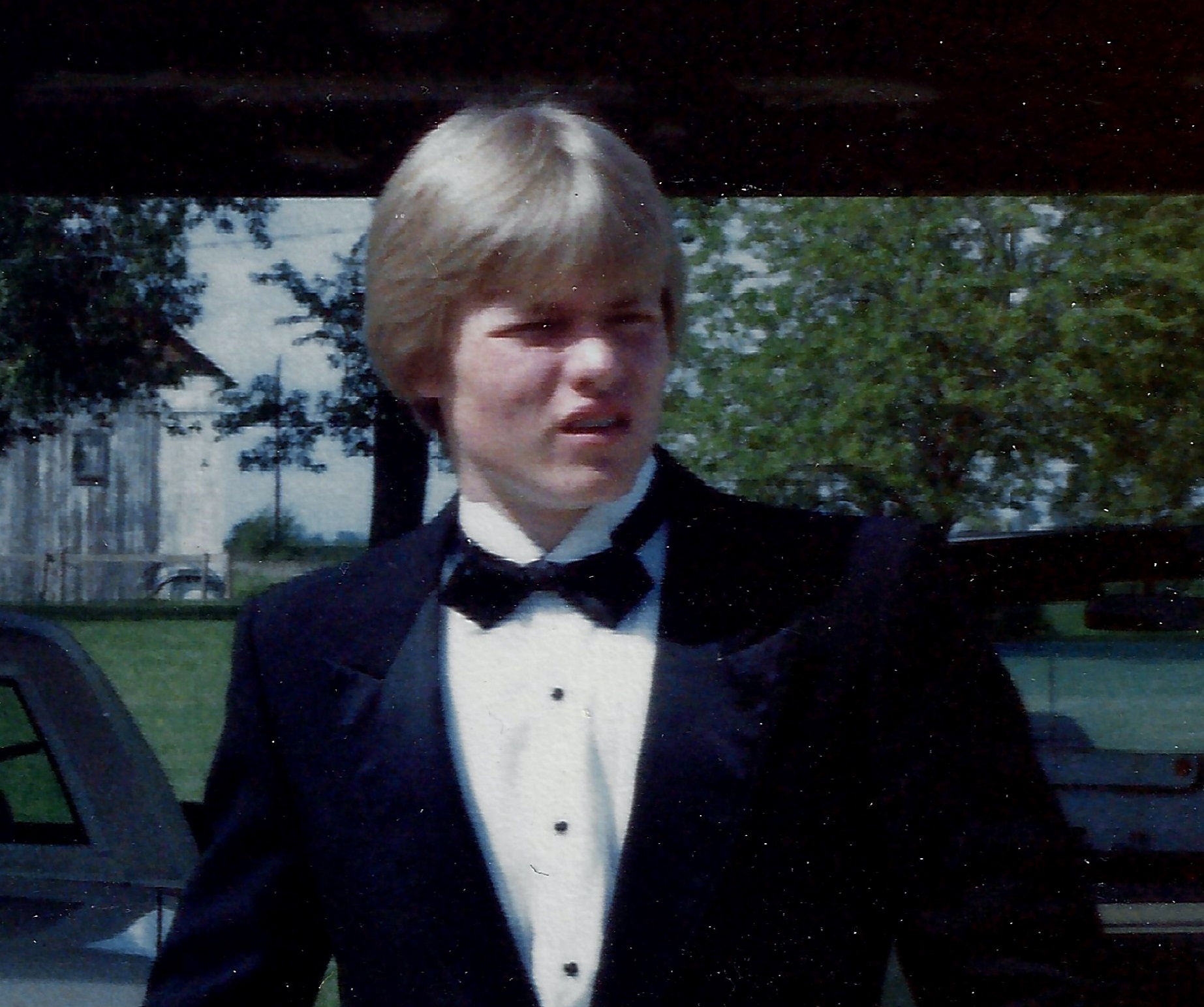
It is now 2026, or 44 years after the Wall Street boom that began in August of 1982. I was too young at the time to have any real perspective on what I was actually witnessing. Now, all these years later, I am understanding the changes of the 1980’s that I took for granted as a young man.
I grew up in rural Ohio with absolutely no exposure to the Wall Street culture that was exploding at the time. I did not see the movie ‘Wall Street’ when it came out in 1987. I had no clue about leveraged buyouts and junk bonds. When people flashed their money ostentatiously, I thought that was normal.
In 1986, I started college at the peak of the Wall Street bubble. The stock market crashed in October 1987, but I do not recall feeling any impact. I was a finance and pre-med major, and yet I have no memory of the economy doing well or poorly. Being in college isolated me from the real world.
I recently heard something on social media that made me realize what was happening. The 1980s marked the first time when people with wealth started openly flaunting it. There have always been rich people, but they tended to be more discreet. In the 80s, that changed. For the first time, American culture shifted toward the acceptance of ostentatiously celebrating excess, materialism, and status in a very public way. Prize fights, luxury cars, Wall Street excess, and the flashy Hollywood and Sunset Strip lifestyle were the 80s.
I instinctively did not approve of it all, in hindsight. It is why I disliked the pop music trends of the 80s with Michael Jackson and Madonna. It was all part of this fake materialism. Madonna made a song about materialism, as did others.
This weekend, I listened again to the album ‘Radio K A O S’ by Roger Waters, for the countless time. It is a 1987 album. I finally understand why he wrote it.
Tracks like ‘The Powers That Be’ attack institutional greed and division. The album contrasts that superficial celebration of wealth with the struggles of ordinary people. Most of America was not wealthy. I sure was not.
It took me 40 years to understand the era that was formative to me. It feels like a psychoanalytical breakthrough. Roger Waters, my de facto therapist, was brilliant, once again.