This post has been read 258 times!
 June 30, 2026- by Steven Greer with Grok doing the research
Part 1: Acquiring the Land & Building the Nation
Before anything could be built, the land had to be acquired and settled. It started with the English colonies on the Atlantic coast.
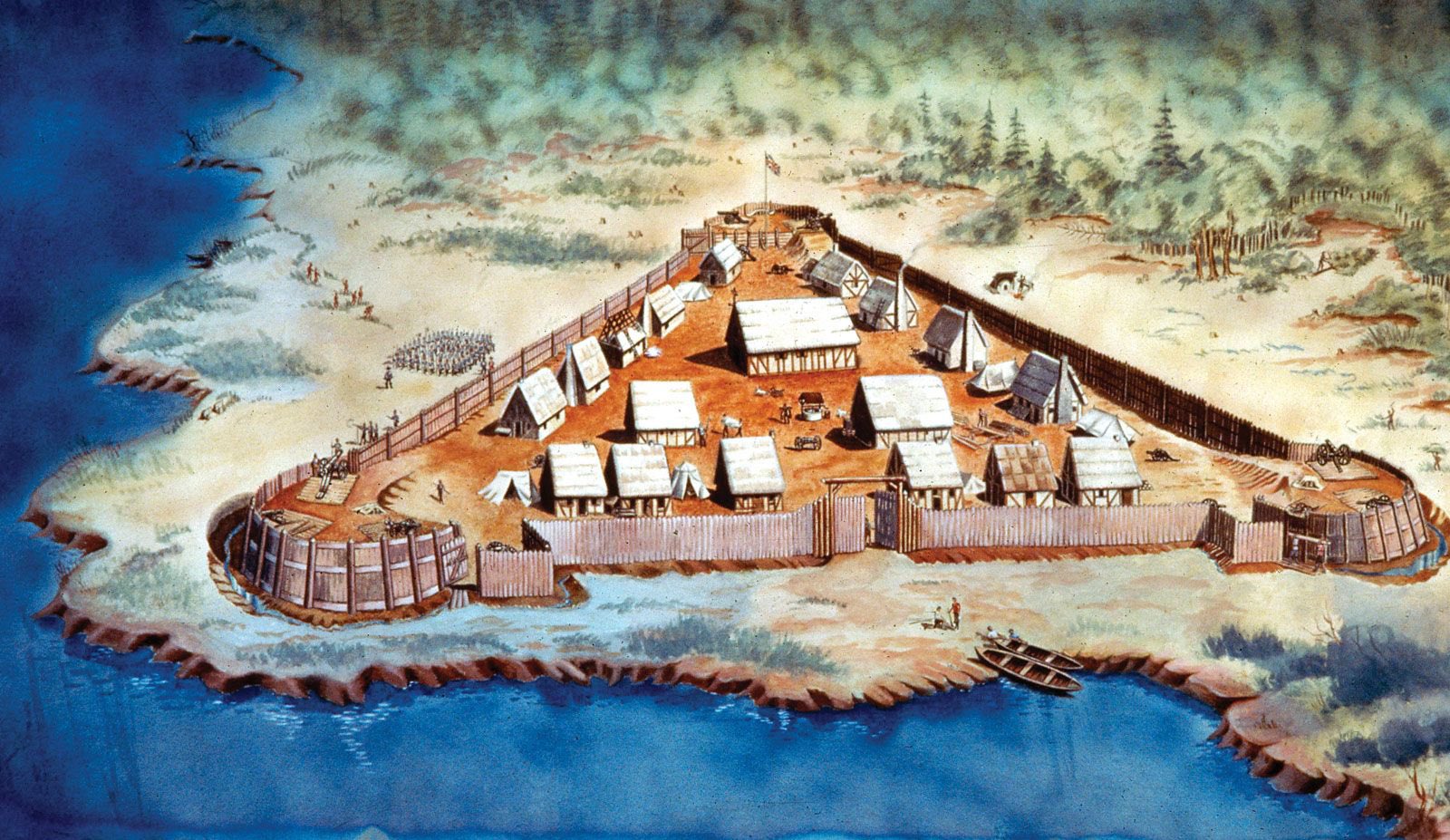
In 1607, about 104 English men and boys, backed by the Virginia Company, founded Jamestown in Virginia. These were predominantly White European settlers of English descent—adventurers, soldiers, and indentured servants seeking profit and land. They were members of the Church of England (Anglican Protestants). The colony struggled but survived through tobacco and later African labor.
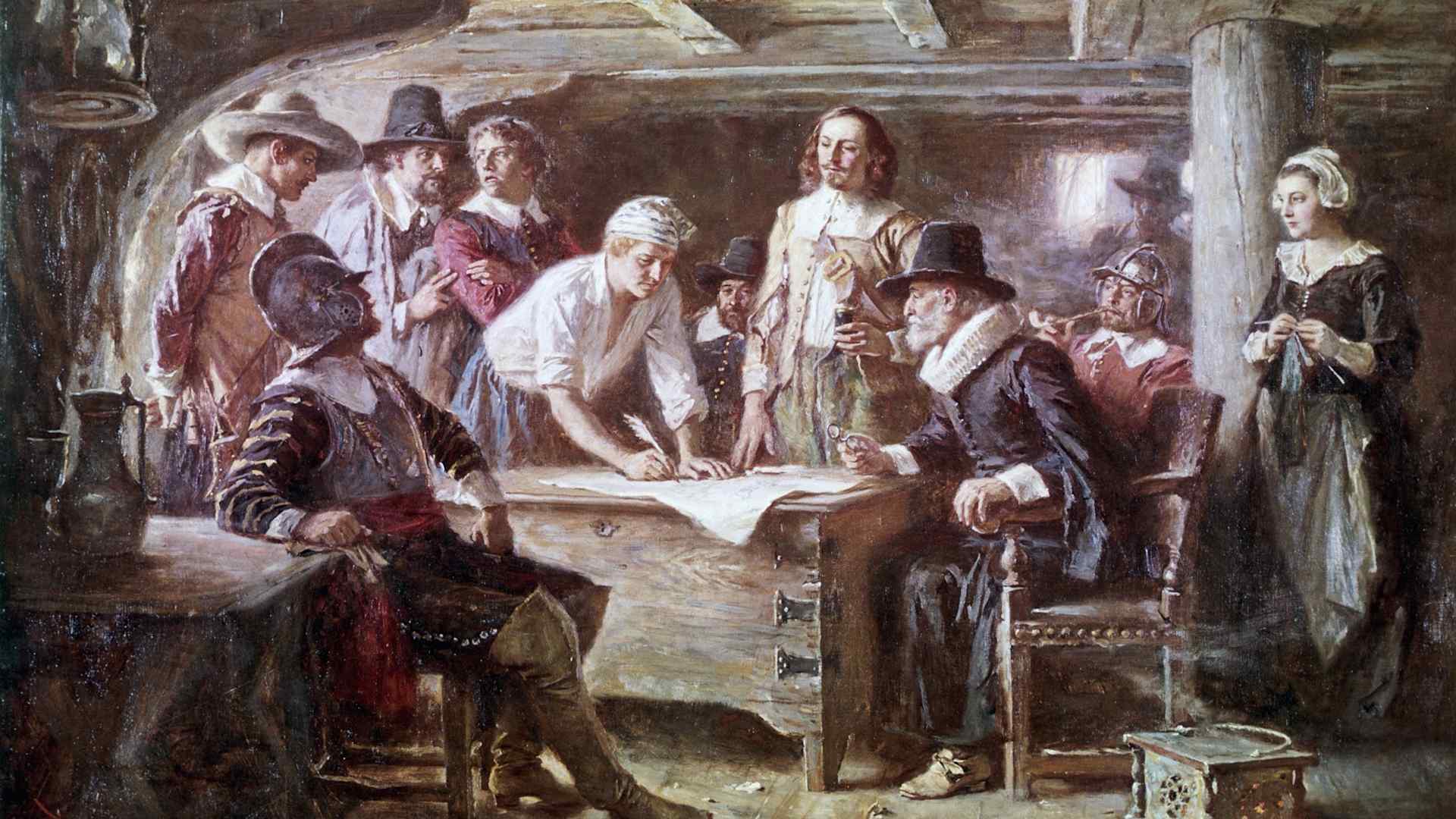
 In 1620, the Pilgrims arrived at Plymouth, Massachusetts. They were English White Separatist Puritans (Calvinist Protestants) fleeing religious persecution, joined by economic migrants. They signed the Mayflower Compact for self-government under God and focused on building a godly community. Both groups were overwhelmingly White Protestant Europeans who cleared coastal land and established the first permanent footholds.
 For decades, settlement stayed east of the Appalachian Mountains. After the Revolutionary War, expansion exploded.
Frontiersman Daniel Boone blazed the Wilderness Road through the Cumberland Gap in the 1770s, opening Kentucky and lands west of the mountains to White settler families (mostly English, Scots-Irish, and German Protestants) seeking cheap farmland. Wagon trains followed, pushing across prairies and plains.
The Homestead Act of 1862 offered free land, drawing more families motivated by opportunity. Wagon trains of families faced ambush and slaughter by Native Americans.
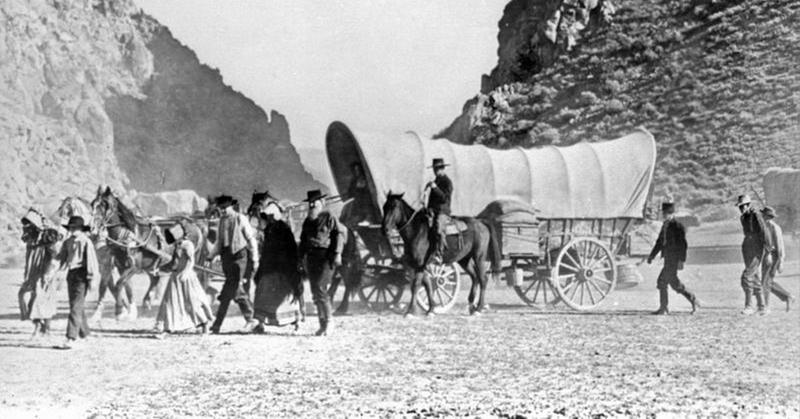 The final push crossed the Rocky Mountains. In the 1840s–1850s, thousands braved the Oregon and California Trails. Wagon trains of White Protestant farming families faced disease, weather, and terrain to reach the Pacific.
The California Gold Rush (1848 onward) sent fortune-seekers over snowy Sierra passes. These pioneers, ordinary people with axes, plows, and wagons, physically claimed the continent through relentless effort, displacing Native populations and turning wilderness into farms and towns.
Who Built This Country – Infrastructure Boom
The Cities
Once land was secured, building began. In the 1700s, cities like Boston, New York, and Philadelphia rose through the labor of White European settlers.
Boston’s Puritans and New York’s Dutch/English populations, along with indentured White servants, built homes, churches, warehouses, and ports.
Philadelphia, planned by William Penn’s Quakers, grew via English, Welsh, and German craftsmen. Skilled White carpenters, masons, and laborers dominated; enslaved Africans played a minor urban role, mostly domestic.
The grandest early federal project was Washington, D.C. President George Washington chose the Potomac site. French engineer Pierre Charles L’Enfant designed the visionary city plan in 1791 with grand avenues and symbolic layout—but he clashed with commissioners and was fired. Andrew Ellicott refined it. Architects like James Hoban (White House), William Thornton, and later Benjamin Henry Latrobe (Capitol) shaped the buildings.
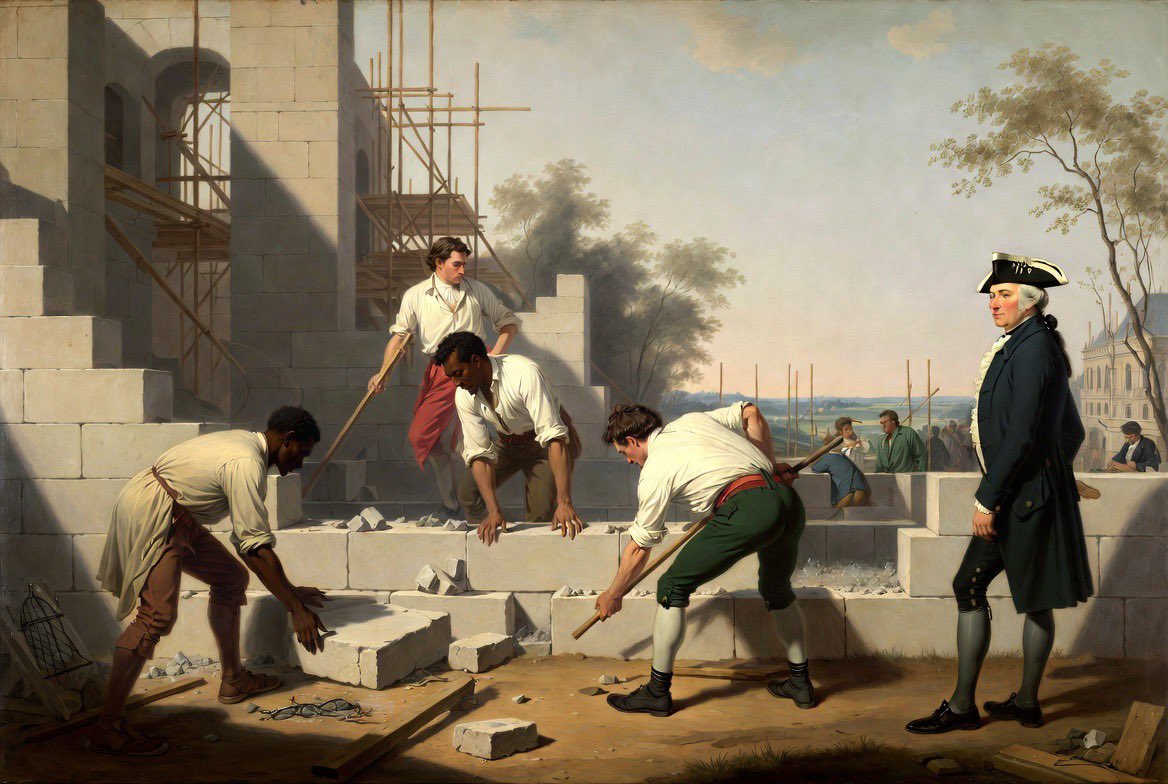
The actual builders were a mix. Free White craftsmen and immigrants handled skilled trades. Enslaved African Americans, hired out (“Negro hire”) from Maryland/Virginia plantations, provided crucial manual labor—quarrying stone, hauling materials, brickmaking.
Records show 122 or more “Negro hire” workers on Capitol/White House projects in the late 1790s; hundreds overall. They worked under overseers from sunrise to sunset, housed in basic huts with rations, not typically chained on-site but still forced labor. Owners pocketed wages. Free Blacks also contributed.
Next came massive transportation projects.
The Erie Canal (1817–1825) was dug mostly by Irish immigrant laborers wielding shovels through swamps and forests—backbreaking work that linked East to Midwest.
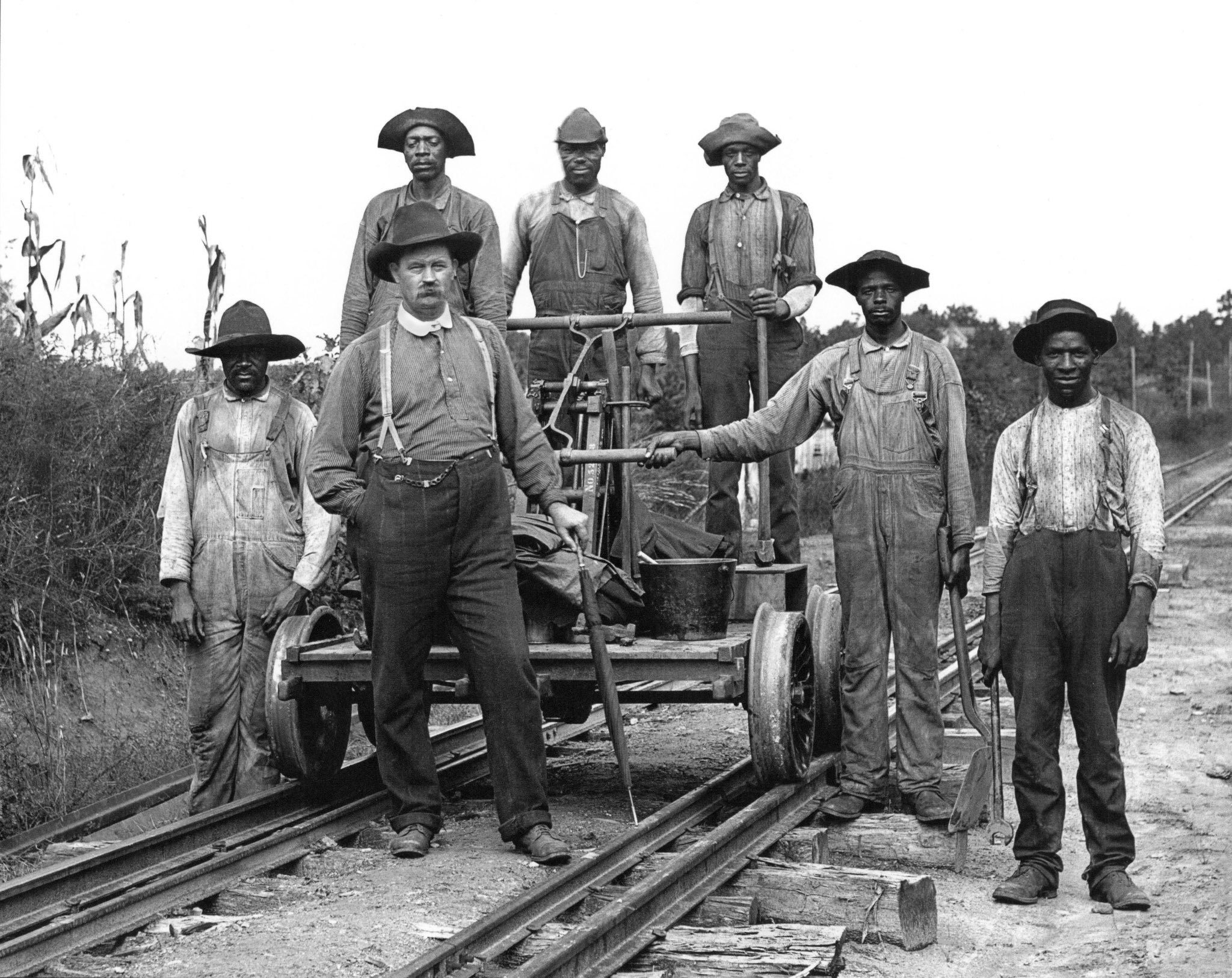
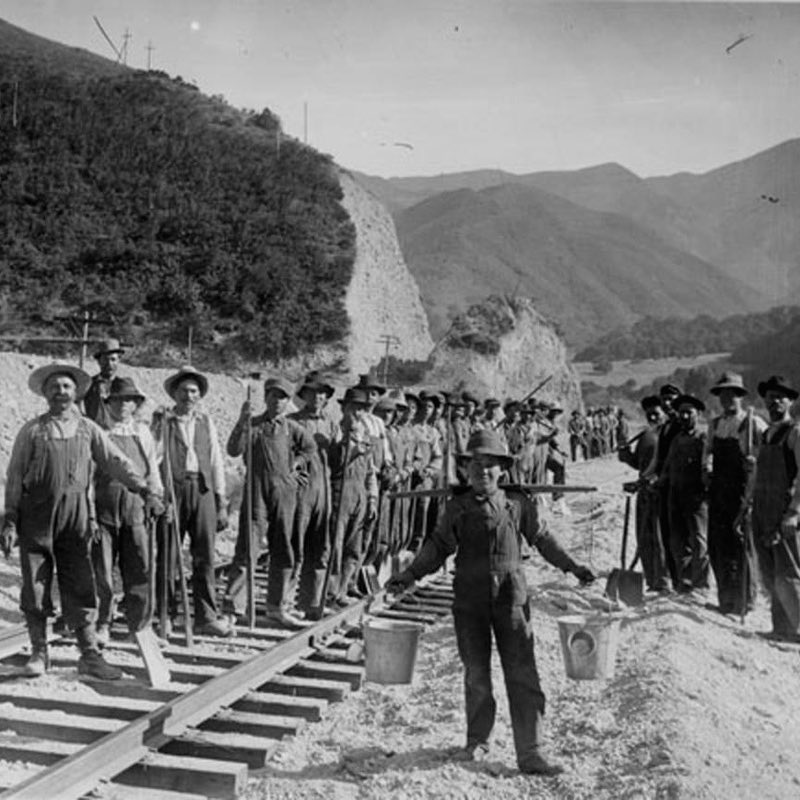
Then, railroads transformed everything. The Transcontinental Railroad (1860s) demanded heroic effort: Irish workers on the Union Pacific across plains; Chinese immigrants on the Central Pacific blasting through Sierra Nevada mountains. They laid track, built tunnels, and bridged rivers under brutal conditions. Later lines used more European immigrants.
These projects (canals, roads, rails) were built by waves of determined people: White settler families, indentured/immigrant laborers (Irish, German, Chinese), and in earlier phases, hired enslaved workers. They cleared, dug, graded, and hammered a nation out of raw land.