
This post has been read 145 times!
 From the Oval Office:
- Trump: “We’re negotiating whether we make a deal or not, makes no difference to me. The reason is because we’ve won.”
- US-Iran negotiations resume, after two hours of discussions and a short break, with Iranian media reporting that if necessary, the negotiations may be extended by one day — PTV
- Your reminder that Barack Obama ended NASA’s efforts to return to the Moon in 2010 by canceling the Constellation program. Donald Trump restarted that mission in 2017 by launching what became the Artemis program.
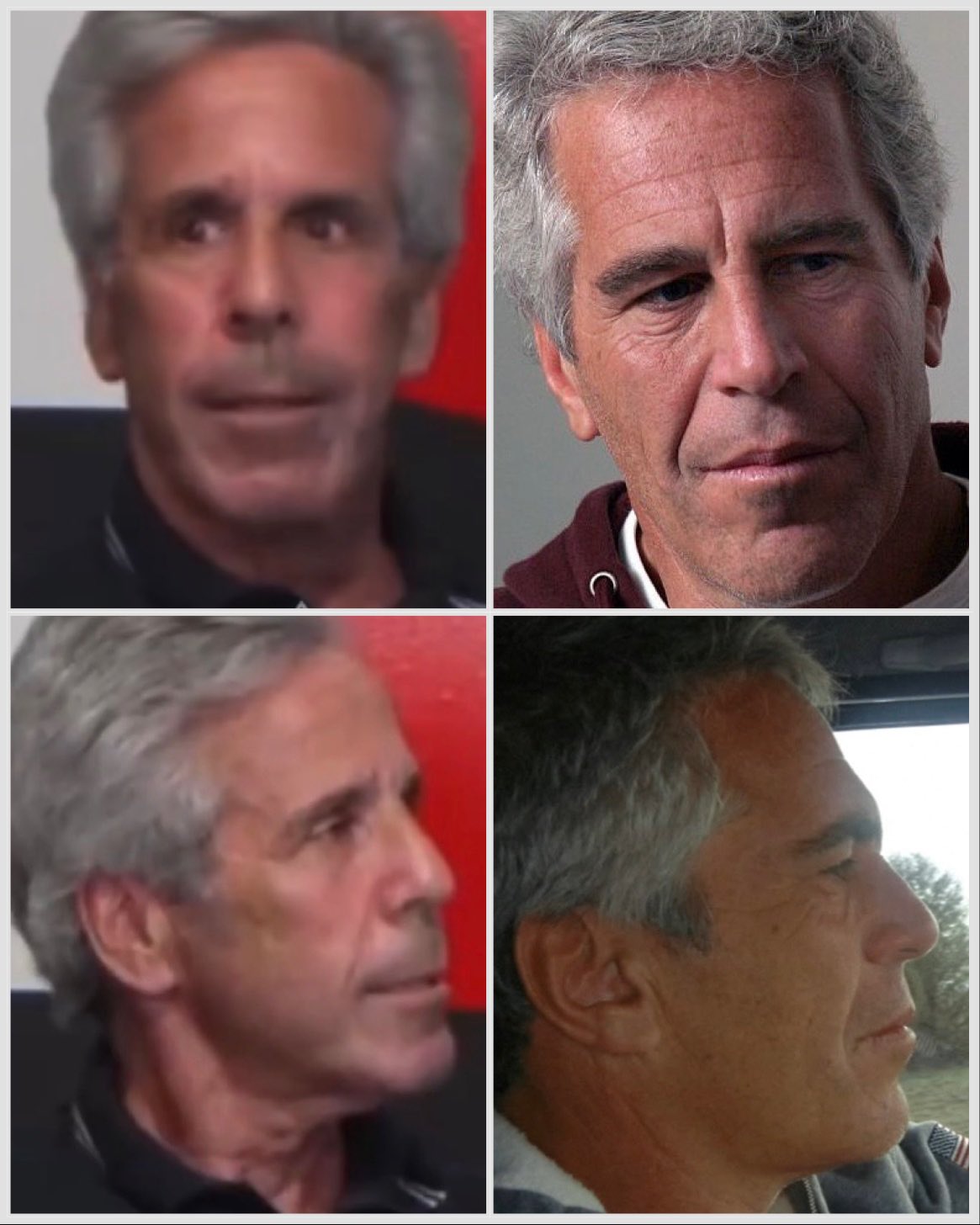
- Me- Uncanny resemblance or just a doppelganger? “Palm Beach Pete” (the viral I-95 driver) looks strikingly like Jeffrey Epstein — especially from the side, where ears and jawline nearly match. Ears are often a key biometric giveaway. But front-view facial analysis shows clear differences: eye spacing/ratios, brow, nose-mouth alignment, and slightly fuller lips on Pete. Pete has repeatedly clarified: “I’m not Jeffrey Epstein. I’m Palm Beach Pete.” Epstein died in 2019. Strong side-profile illusion, but the math on the front view doesn’t lie. Classic lookalike case.
The Color Revolution (A coup from within Congress and The White House):
- UPDATE ON ONTARIO ARSON: “The paper product alone that was inside of the warehouse was worth $500 million. The building itself was worth $150 million.”
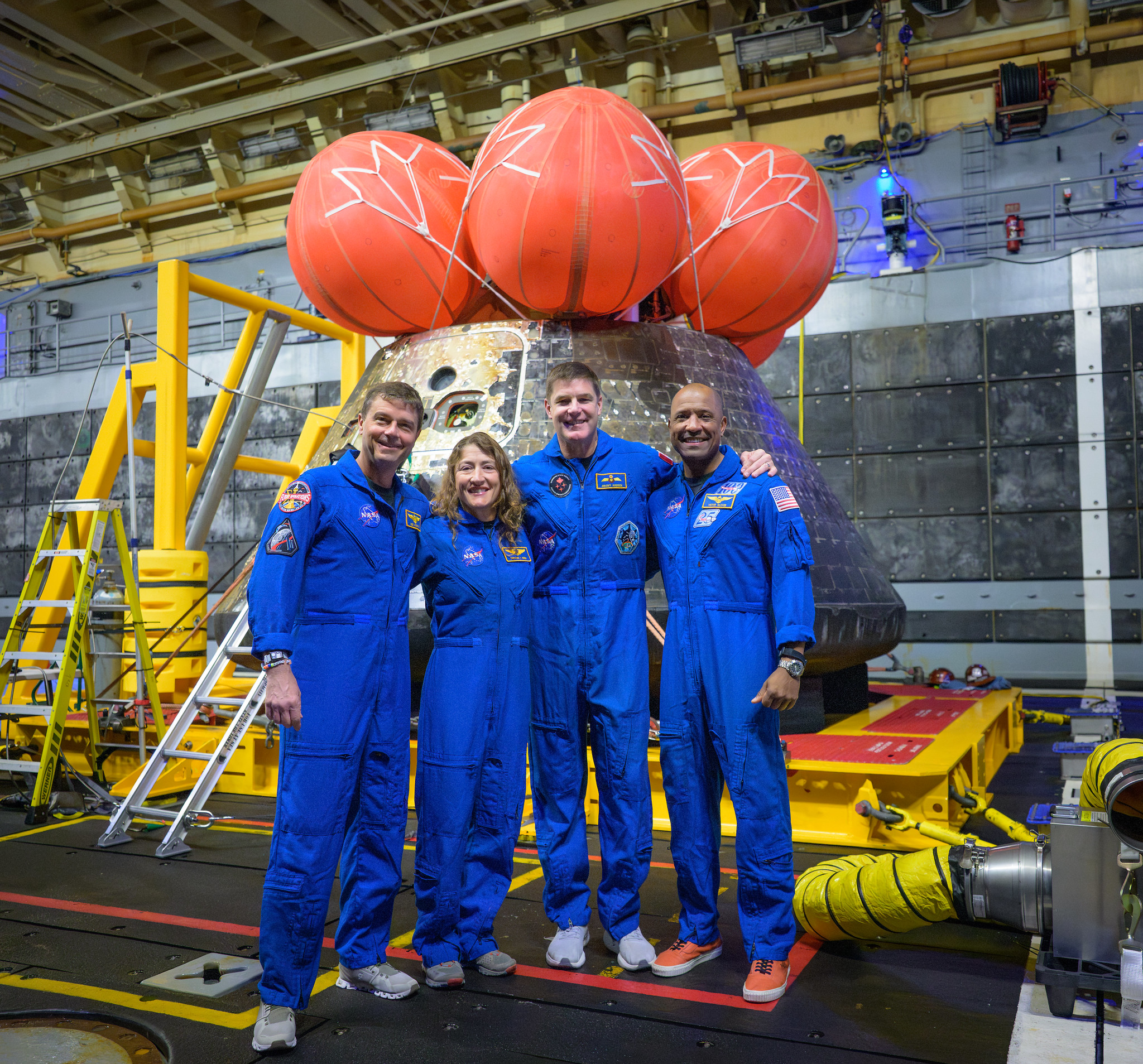
- Astronaut Victor Glover thanks God after his trip around the moon. “When this started on April 3rd, I wanted to thank God in public, and I want to thank God again.” “The gratitude of seeing what we saw, doing what we did, and being with who I was with, it’s too big to just be in one body.”
- A man stabbed 2 people on the 7 line this morning in Manhattan, then turned on arriving officers with a knife. NYPD opened fire, taking him down. 2 victims rushed to the hospital, and 2 cops ended up with minor injuries in the scuffle.
- The list of states with governors who are flagrantly part of the color revolution: CA, WA, OR, AZ, IL, MN, NY, NJ, PA, MA, ME
- The list of cities with mayors who are flagrantly part of the color revolution: NYC, Boston, Philadelphia, Charlotte, Miami, New Orleans, Chicago, Columbus Ohio, Minneapolis, Phoenix, LA, San Francisco, Oakland, Portland, Seattle
The War on Totalitarianism (Communism, Satanic Worshipers in Hollywood, Transhumanism, AI, Zionism, Globalism, and WEFrock):
- Susie Wiles, Trump’s White House chief of staff, traveled to Jerusalem in 2020 and worked for Benjamin Netanyahu’s reelection campaign, because… of course she did. No conflict of interest at all.
Normal Politics:
- Eliot Engel, a 16-term liberal Democrat from the Bronx, dies at 79
___________________________________
Skiffle and why rock transitioned to bands away from solo stars
This is another research paper, basically, I wrote quickly with the help of AI. I wondered exactly how rock ‘n’ roll transitioned from individual stars like Elvis to group bands. What caused that?
I asked a lot of questions and custom tailored this essay below. Skiffle: I had no idea.
There are two distinct waves of popular rock ‘n’ roll. The first wave, in the mid-to-late 1950s, was dominated by charismatic individual solo stars, such as Elvis Presley, Little Richard, Jerry Lee Lewis, Chuck Berry, and others. However, these artists needed big record company support, expensive production, and professional backing musicians. It was a polished, star-driven model.
About 10 years later, in the mid-1960s, rock ‘n’ roll shifted to self-contained group bands, such as the Beatles, the Rolling Stones, the Who, the Beach Boys, and many others. The members wrote their own songs, played their instruments, and performed as a tight unit.
Why the big transition?
While the American solo stars peaked, British teenagers (aged 14–17) in the late 1950s needed something fun to do in a still-grey, post-war Britain with few distractions. The skiffle craze (1956–1959), sparked by Lonnie Donegan’s “Rock Island Line,” let them play raw, upbeat music themselves using cheap or homemade instruments: acoustic guitars, washboards, and tea-chest basses.
Tens of thousands of crude skiffle groups formed, not to chase fame but to socialize and entertain themselves. John Lennon started the Quarrymen in 1956; Paul McCartney joined in 1957 at 15; George Harrison tagged along at 14–15. It was just mates making music in church halls and youth clubs.
As these kids grew into their late teens and early 20s in the early 1960s, they plugged in electric guitars, added drums, and turned their group-playing experience into real rock bands. The long skiffle apprenticeship gave them harmonies, confidence, and chemistry that solo stars rarely had.
This grassroots British scene fueled the British Invasion in 1964. What began as bored teenagers entertaining themselves quietly created the second wave where bands, not solo acts, became the heart of rock ‘n’ roll.