
This post has been read 345 times!
 June 2, 2026- by Steven Greer, MD
This is a question that is interested me. I’ve asked people about it when I interviewed them. This X post is pretty useful.
__________________________________
Every obedience experiment in history had the same overlooked finding.
by Kenny Carmody
Not everyone complied.
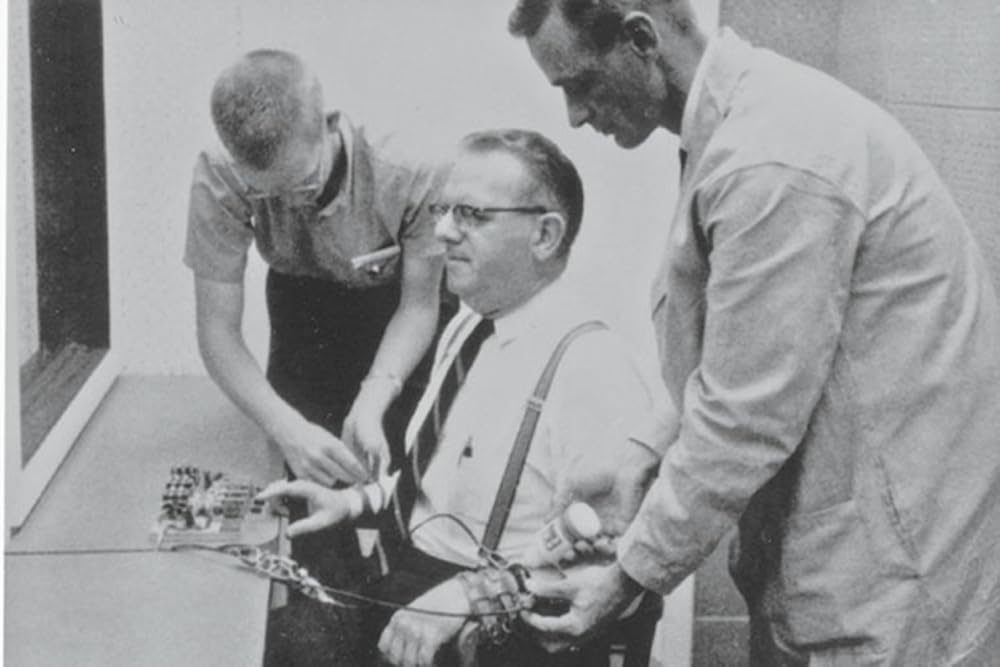
In Milgram’s lab, 35% refused to deliver the final shock. In Asch’s line experiments, 25% never conformed, not once, across any trial. In Zimbardo’s prison, at least one guard refused to dehumanize. One prisoner demanded a lawyer instead of a doctor and broke the psychological frame entirely.
We spent decades studying the ones who obeyed.
We barely asked what made the others different.
That question matters more now than it ever has.
The resisters in the COVID era were not difficult to find. Physicians who filed exemptions and lost their licenses. Nurses who walked away from careers rather than mandate patients into decisions they hadn’t genuinely chosen. Scientists who published contrary data knowing what it would cost them. Parents who stood alone at school board meetings. Ordinary people who simply said, quietly, without drama , no.
What made them different?
Research consistently identifies a cluster of factors. Not personality traits you either have or don’t. Situational and cognitive patterns that can be cultivated.
First: prior reflection on authority. The resisters had usually thought, before the crisis, about the limits of institutional trust. They weren’t cynics. They were people who had already asked the question “under what conditions would I refuse?” before anyone was asking them to comply.
Second: a concrete reference point outside the consensus. A value, a principle, an oath, a relationship that existed independently of the institutional structure demanding compliance. Something the system couldn’t reach.
Third: at least one other person. Milgram found that a single dissenting confederate reduced compliance dramatically. The resisters rarely stood entirely alone. They found each other. Sustained each other. Gave each other permission.
Fourth: the willingness to tolerate social pain. Not immunity to it. Tolerance of it. They felt the pressure. They felt the exclusion. They chose the discomfort of integrity over the comfort of belonging.
None of this is innate. All of it is learnable.
The most important thing Milgram, Asch, and Zimbardo taught us is not how fragile conscience is.
It’s that conscience can hold, if you’ve trained it, named its limits, and found even one other person willing to hold theirs beside you.
Build that now. Because the experiment is always running.
Until then stay humble.